
URGENTE
- Ирвин казино мобильная версия официальный сайт Irwin casino
- Ирвин казино регистрация
- Онлайн казино Ирвин. Зеркало казино Irwin. Личный кабинет, регистрация, игровые автоматы
- Игровые аппараты демо версии Аркада Казино
- Игровые аппараты демо версии Аркада Казино
- Аркада казино регистрация
- Играть слоты гараж бесплатно Банда Казино
- Бонусы онлайн казино Banda Casino (Банда)
- Банда казино рабочее зеркало
- Почему Отказывают В Выплате Dragon Money?
- Dragon Money Зеркало ᐈ Вход На Официальный Сайт Драгон Мани
- Бонусы казино Банда, промо, турниры
- Играй в Уникальном Стиле: Банда Казино Ждет Тебя!
- Бонусы казино Банда
- Банда казино играть на деньги! Мобильная версия доступна уже!
- Казино Банда (Banda) официальный сайт, войти через рабочее зеркало
- Играть бесплатно в Space на Комета Казино
- Игровые автоматы бесплатно лягушка Комета Казино
- Официальный Сайт Комета Казино Casino Kometa: Регистрация, Вход И Бонусы ️ Играть Онлайн На Официальном Сайте Kometa Casino
- Онлайн Казино Банда. Зеркало Казино Banda. Личный Кабинет, Регистрация, Игровые Автоматы
- Banda Casino Зеркало – Рабочие Зеркало На Сегодня Банда Казино
- Banda Casino Зеркало – Рабочие Зеркало На Сегодня Банда Казино
- Как Выиграть Банда Казино?
- Комета Казино – Вход На Сайт, Личный Кабинет, Бонусы За Регистрацию, Лучшие Слоты На Деньги И Бесплатно В Демо-Режиме
- Комета Казино Онлайн
- Комета Казино – вход на сайт, личный кабинет, бонусы за регистрацию, лучшие слоты на деньги и бесплатно в демо-режиме
- Casinos Online Legales Mejores Sitios para Jugar en 2025
- Napad na kasyno gta online
- Mejores casinos online de Argentina de 2026 Lista actualizada
- Mejores casinos con dinero real en Chile Juega seguro en 2026 Scientific Papers of Silesian University of Technology
- ¿Cuáles son las principales temáticas que inspiran a los juegos de casino? Chile Noticias

Weathered Golden Goose Shoes Essential Analysis Custom Golden Goose
Golden Goose from a overview: what you’re really paying for
Golden Goose sneakers combine Italian workmanship, hand-weathered treatments, and a purposefully retro aesthetic that feels lived-in from day one. The price derives from skilled work, components, and a design philosophy that values individuality over pristine perfection.
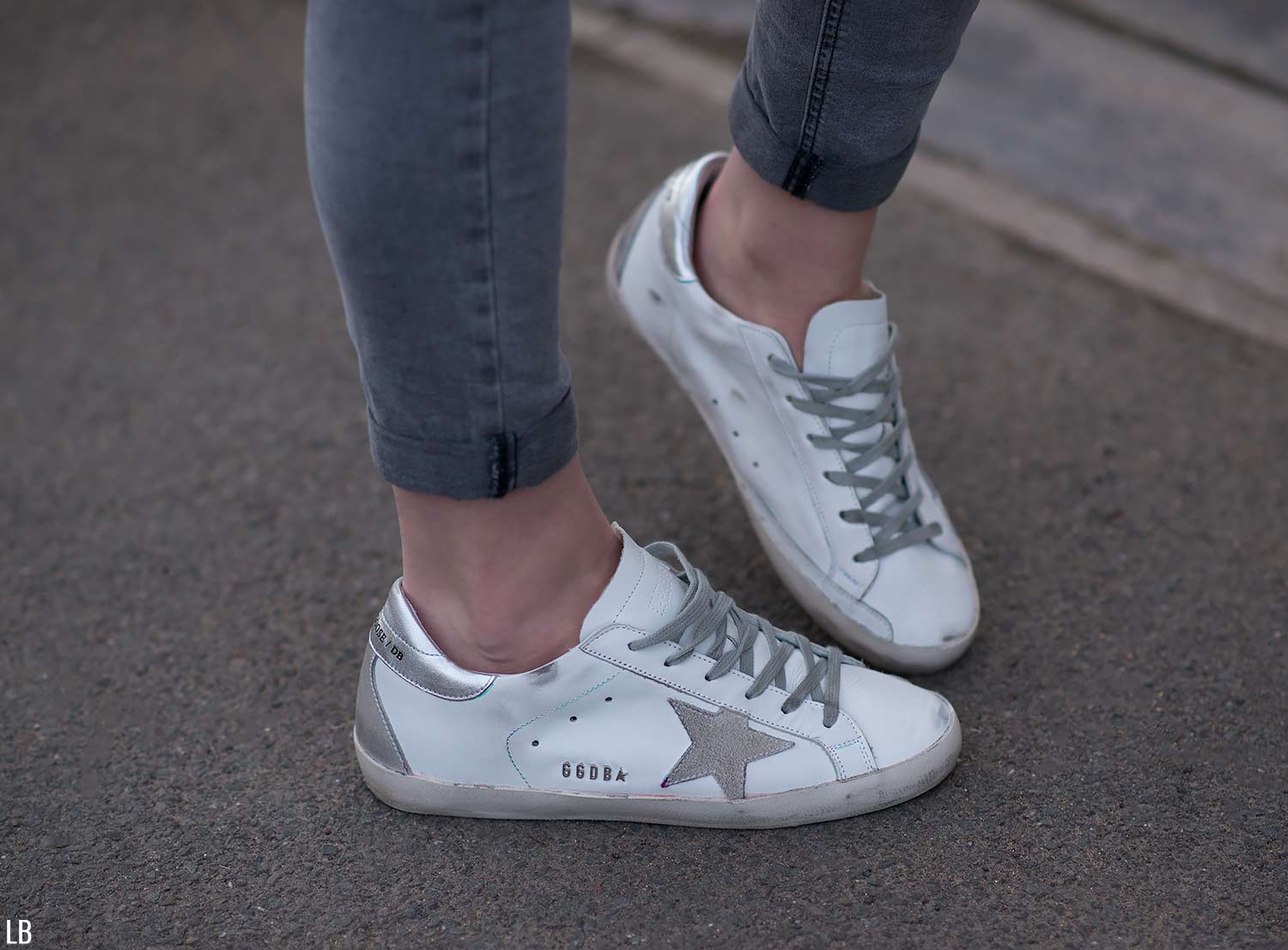
The label’s trademark is the Super-Star, but the lineup covers Ball Star, Mid Star, Francy, Sky Star, Dad-Star, alongside Hi Star, all constructed on rubber cupsoles with hide or suede uppers and leather linings. Each pair is finished by hand in Italy, therefore marks, brush marks, and weathering changes, which is the point. If you want a spotless, basic sneaker, Golden Goose isn’t the right target; if you seek character, personality, and day-one comfort that looks lived-in, it fulfills the brief. You’re additionally purchasing reliability in lasts, dependable quality control for an craft-made product, and an aesthetic that won’t date out when initial creasing shows up. The worth calculation is less about cost-per-wear durability versus, say, a basketball retro, and more regarding whether the design story matches your personal wardrobe and taste.
Will Golden Goose sneakers worth it for you?
They’re worth it if you appreciate the aged aesthetic, want Italian-made construction, and value sneakers that look better the more you wear them. They won’t feel worth it if you prefer a spotless minimal look or when you’re chasing technical performance.
Begin with the aesthetic test: if you frequently find yourself coddling white leather shoes, the weathered approach will frustrate you; if you currently like raw finishes, jean fades, and vintage golden goose sneakers sale tees, you’ll get it immediately. Concerning quality, you’re getting leather surfaces, leather interiors, sturdy cupsoles, and hand-finishing from Italian workshops, that place them at the premium tier of casual sneakers. Cushioning is a strong point for most wearers after a short break-in; the padded collar and lined interior create a moccasin-type comfort, which fits lifestyle application rather than sport. Longevity is solid for fashion sneakers if rotated and cleaned, with outsoles and uppers aging gracefully since marks are design features, not damage. If you want a classic, flawless low-top, Common Projects provides superior sense; if you desire a luxe beater with charm from of the container, Golden Goose earns its place.
Cost analysis and what influences pricing
Many main Golden Goose models retail in the United States from the high $400s to middle $700s range, with special releases exceeding $800. Price changes according to construction complexity, materials, and hand-finishing time.
As a reference point: Super-Star pairs typically land around $495–$625 based on hide and detailing; Ball Star and Mid Star fall approximately in the $530–$625 range; Francy and Sky Star high-tops often run $600–$745; heavily embellished, crystal, or limited collaboration pairs can go higher. Several price factors remain non-negotiable: Italian labor rates, full-grain leather and quality suede, manual weathering hours, and boutique-scale work that avoids factory consistency. Limited releases, appliqués, glitter treatments, plus unique laces add line-item costs. Retail channel matters too, because boutiques and stores typically highlight new and special launches that command top-of-range pricing.
| Sneaker | Typical US Retail | Made In | Construction | Aesthetic Focus |
|---|---|---|---|---|
| Golden Goose Super-Star | $495–$625 | Italy | Leather upper, leather lining, rubber sole, manually weathered | Vintage, pre-aged, artisanal |
| Common Projects Achilles | $445–$535 | Italy | Hide upper, hide lining, rubber sole, pristine surface | Minimal, pristine luxury |
| Saint Laurent Court Classic | $595–$625 | Italy | Hide/nubuck upper, hide lining, rubber cupsole | Pristine with logo details |
| Nike Dunk (Leather) | $115–$135 | Varies | Synthetic/leather upper, fabric lining, rubber cupsole | Court history, commercial |
This range demonstrates the choice: Golden Goose rivals directly with premium style shoes on materials and build, and justifies the premium price via labor-intensive finishing and an individual design language. When the weathered story resonates, the cost involves paying for artisan work and time rather than a logo alone. If it won’t, similar Italian-made options are available at or slightly lower prices without the patina.
How do Golden Goose sneakers size and comfort?
Many users discover Golden Goose fits accurate to size in European measurements, with a slightly roomy toe box and a low-to-medium instep. Narrow feet may benefit from sizing half a measurement; broad feet usually stay accurate to measurement.
Expect a brief break-in: the hide hardens the first day or pair, then softens quickly, particularly near the collar and vamp. The padded heel counter maintains grip in check, and the hide interior adds step-in comfort you’ll notice versus fabric-lined sneakers. Cushioning feels like a firm, stable base with a padded insert rather than a springy foam athletic; for daily walking and city wear it’s completely sufficient. The profile functions nicely beneath jeans, trousers, and shorts because the last isn’t overly bulky, and the pre-worn borders eliminate crease anxiety fade right away. Should you use orthotics, check your pair in person: some insoles are more securely attached than others, and space may be tight with additional support.
Professional advice: When you’re between dimensions, emphasize heel lock over toe-room «freedom.» A snug heel featuring thumb width at the tip will break in well, whereas a loose heel will damage the collar and feel sloppy as the material gives.
Legitimacy test: how to spot real vs fake
Begin by checking the labeling: real pairs are marked «Made in Italy» and carry consistent style, dimension, and material info on the inside tag and the package marking. Hand-distressing should be irregular and layered, not stamped-on or exactly mirrored between shoes.
Progress from general to micro. Initially, the package: look for an obvious model code that corresponds to shoe’s model name, color, and material, plus accurate Continental dimensions; lettering and spacing are precise, and the label marking is clear. Second, the sneaker’s assembly: the star overlay appears cleanly sewn, the edges remain neat even if deliberately raw-finished, and the rubber foxing shows authentic wear that doesn’t repeat exactly on both shoes. Next, components: hide and suede should feel dense and smell like actual hide rather than artificial compound; inside surfaces read as hide, not textile polyester. Fourth, branding: older pairs often include «GGDB» stamps because the brand started as Golden Goose Deluxe Brand, whereas newer releases focus on «Golden Goose»; either approach, marks are sharply applied and consistent with the season. Finally, packaging: dust bags are thick with even drawstrings, tissue is sized properly, and extra cords, if supplied, match the style’s code information.
Should you stay unsure, cross-check stock photos from authorized retailers for that exact model code and shade; the placement of emblem, rear section, and perforations ought to align. Heaviness can help: genuine shoes feel substantial for casual shoes but not heavy; if a pair feels ultra-light with synthetic bottoms, be suspicious. Asymmetric bonding might appear on legit pairs because of hand-finishing, though it shouldn’t be sloppy or messy. When buying pre-owned, examine wear areas—back lining, outsole border, and holes; the right type of aging looks like scratches, not peeling.
Four lesser-known facts that help with ID and expectations: first, all models are finished by craftsman in Italy, so identical wear mirroring between left and right shoes is a red warning. Next, the brand’s earlier designation was Golden Goose Deluxe Brand, and «GGDB» markings are still visible on tags and interiors for particular seasons and styles. Furthermore, terry lining appears on many high-tops to absorb perspiration and hasten break-in, which means some Francy and Sky Star pairs feel extra comfortable. Finally, the intentionally yellowed borders on middle soles and foxing result from finishing, not time, so a new pair may appear «aged» out of the box without being worn.


 Cargando ...

